
Attending PAINWeek this year was especially meaningful because pain research has been a major part of my career. Over the past 12 years, I have worked on more than 50 postoperative acute pain trials, first from the research-site perspective and now from the CRO side. I have seen how difficult pain studies can be to execute, but I have also seen why this work matters. Helping to advance safer, nonaddictive, and opioid-sparing treatment options is more than working within a therapeutic area—it is work I genuinely care about.
I arrived with an open mind, ready to learn, make connections, and better understand the issues shaping the future of pain research and patient care.
An Exciting Time for Pain Research
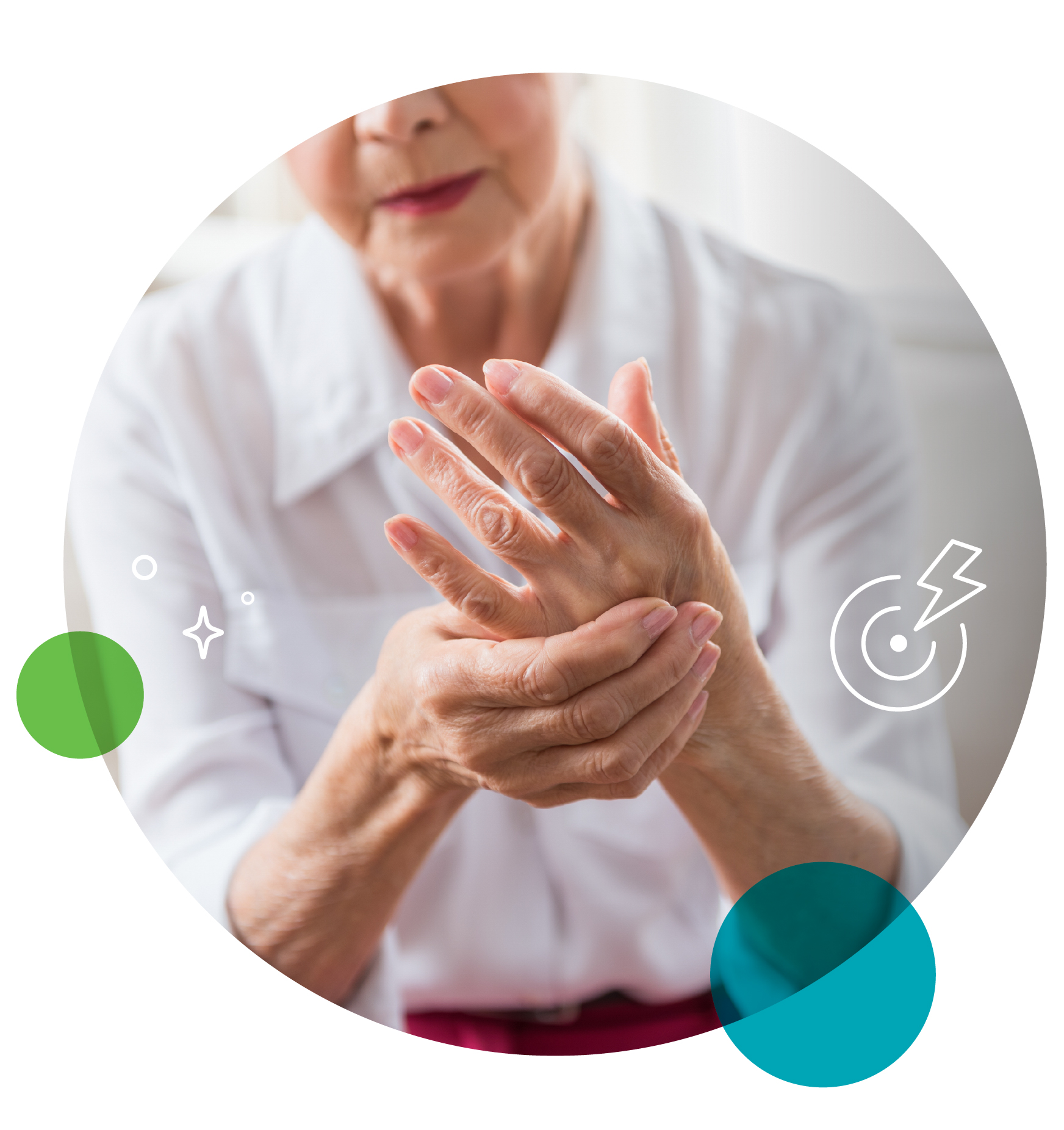
One message I heard repeatedly from key opinion leaders and others throughout the conference was that this is an exciting time to work in the pain space. There was considerable discussion around chronic pain, the limitations of current therapies, and the need for additional options that provide meaningful relief without introducing harmful effects.
We appear to be on the cusp of significant scientific and therapeutic advancements that could fundamentally change how we understand, approach, and treat both acute and chronic pain. These advances include fixed-dose combinations that target pain through complementary mechanisms, as well as emerging technologies designed to improve drug delivery, reduce misuse and overdose risk, and provide more controlled therapeutic effects. Together, these approaches may allow treatments to be tailored more effectively while improving both safety and patient outcomes.
One of the most meaningful moments for me was seeing a product displayed prominently that I had worked on during its clinical development. It was the first time I had experienced that kind of full-circle moment: seeing something I once knew through protocols, timelines, study sites, and operational challenges now moving closer to the people it was developed to help. It was a powerful reminder that the work we do behind the scenes can ultimately become something tangible for patients and the public.
That experience also connected the conference discussions to the challenges sponsors face today. A successful development program requires more than a promising product and a strong protocol. It requires the right CRO partner that can execute under pressure, experienced investigators and sites, access to appropriate patients, realistic enrollment assumptions, and procedures that sites and participants can successfully complete. At Rho, we call it the Cohesion Effect, and it’s an approach that brings scientific, operational, and therapeutic expertise together onto one integrated team. The close collaboration reduces handoff gaps, supports faster problem-solving, and helps sponsors navigate the complexities of development with greater consistency and confidence.
These considerations are especially important in pain research. Pain is complex and subjective, and outcomes can be influenced by patient expectations, previous treatment experiences, concomitant medications, and differences in how people describe their symptoms. Operational details—from patient selection and endpoint training to data collection and site engagement—can directly affect the quality of the results.
The Value of Face-to-Face Connections
One of the highlights for me was spending time face to face with several clients and research partners I have worked with previously. In a remote-work world, it is easy for relationships to become a series of emails and video calls focused on action items and deadlines. Those tools allow us to accomplish a great deal, but they cannot fully replace sitting across the table from someone, sharing a meal, and getting to know them beyond the immediate needs of a project.
PAINWeek reminded me how valuable those personal interactions still are. Clinical research is fundamentally a people business. Trust is built by delivering on commitments, but it is also strengthened by understanding the person on the other side of the screen.
It was equally valuable to spend time with my Rho colleagues outside our usual meetings and project responsibilities. We learned together, represented Rho together, and made time to enjoy the experience. Sharing meals, exploring Las Vegas, and having conversations that were not centered on a project plan allowed us to get to know one another differently. Strong teams are shaped by the work they accomplish, but also by the relationships they build along the way. That combination of collaboration, shared purpose, and genuine connection is an important part of the “Rho Factor” and one of the reasons I am grateful to be part of this team.
For anyone attending PAINWeek for the first time, arrive ready to introduce yourself, but also ready to listen. Ask people what brought them to the conference, what work they do, and which challenges matter most to them. Some conversations may lead to future collaboration, while others may offer a perspective you had not previously considered. Both are extremely valuable.
PAINWeek Is for Everyone
What stood out was the diversity of the people attending. PAINWeek is not designed for just one type of pain professional. Physicians, anesthesiologists, interventional pain specialists, nurses, pharmacists, psychologists, physical therapists, business owners, principal investigators, research sites, CROs, pharmaceutical companies, and others involved in pain care and clinical research all have a place at the conference.
That diversity allows the same challenge to be viewed from multiple perspectives. A clinician may focus on how a treatment is delivered in practice. A business owner may consider whether it can be implemented sustainably. A principal investigator may think about patient identification and whether a clinical trial can be conducted successfully. A sponsor or CRO may evaluate how the research can be designed and operationalized across multiple sites.
Those perspectives may not always begin in the same place, but they ultimately connect around a shared goal: improving care for people living with pain.
What Comes Next
The value of a conference is not limited to what happens during the event. The real value comes from what we do afterward: following up with the people we met, sharing insights with colleagues, and continuing conversations that could lead to future partnerships.
Over the next several months to a year, I will be watching how emerging treatment approaches progress from scientific promise into clinical evidence and, ultimately, real-world patient care. I will also be watching how sponsors address the operational challenges that come with evaluating new mechanisms, including selecting the right patient populations, defining meaningful endpoints, managing placebo response, and partnering with investigators and sites that truly understand pain research.
If I had to summarize my first PAINWeek, I would say this: arrive with an open mind and a plan to guide your experience. Be intentional about the sessions you attend, make time to build professional and personal relationships, and remain flexible enough to pursue the unexpected conversations that may help shape what comes next.

Eric Jensen is a Senior Project Manager in Clinical Trial Operations at Rho with 12 years of experience in the clinical trial industry. He has contributed to more than 50 postoperative acute pain trials across surgical models including third-molar extraction, abdominoplasty, hernia repair, bunionectomy, and other orthopedic procedures. His experience spans research site operations and CRO project leadership, giving him a unique perspective on how pain studies are planned, conducted, and delivered. Eric began his clinical research career at the site level, working closely with investigators, coordinators, and participants. Today, he leads cross-functional teams through study startup, execution, and closeout. Having worked on both sides of trial delivery, he understands how protocol requirements translate into daily site operations and where practical challenges can affect enrollment, data quality, and timelines. He uses that perspective to build strong sponsor and site partnerships, anticipate obstacles, and keep complex studies moving forward. Eric is committed to advancing new pain treatments, including non-opioid therapies, that may expand the options available to patients and clinicians.